
Cancer centre project supports Indigenous training, employment
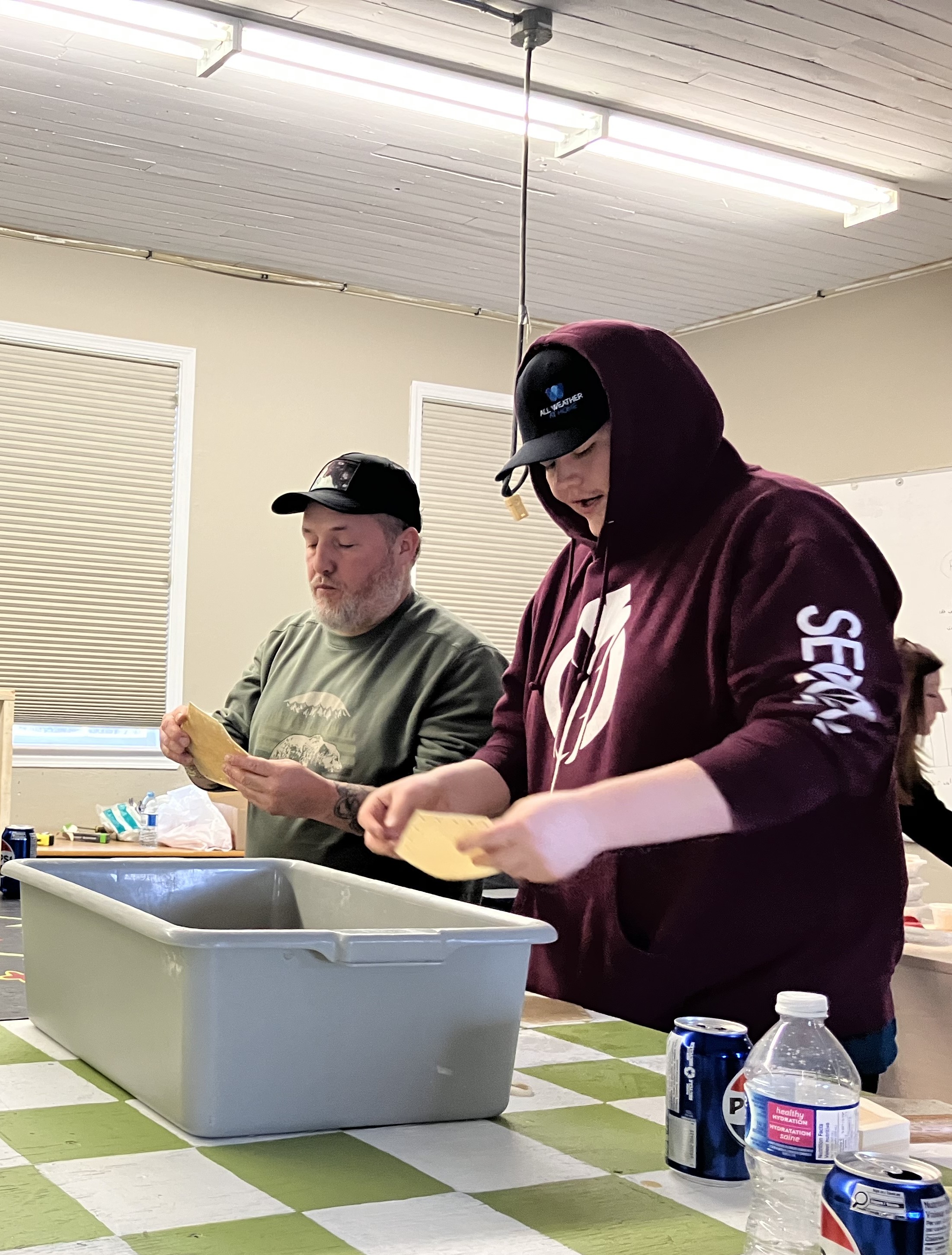
The construction of the new BC Cancer centre in Kamloops is creating meaningful training and employment opportunities for Indigenous Peoples through new and innovative partnerships.

Interior Health, BC Cancer, Tk̓emlúps te Secwépemc (TteS), Thompson Rivers University (TRU) School of Trades and Technology, EllisDon and the Enhanced Inclusion and Development Agreement (EIDA) Committee have collaborated to deliver community-based trades training, workforce development, and direct pathways to employment for Indigenous students.
TteS and the School of Trades at TRU are highlighting an innovative way for Indigenous students to benefit from major infrastructure investments happening in their own region.
In the program, TteS students participate in hands-on construction designed to build foundational skills in carpentry, safety, site preparation, and equipment operation. The training is delivered close to home and supported by mentorship, cultural guidance from Elders, and wrap-around services that help participants succeed academically and personally. By embedding Secwépemc values and providing culturally grounded supports, the program strengthens identity while preparing students for long-term careers in the trades.
This partnership approach aligns workforce needs with skilled Indigenous talent, building capacity within Tk̓emlúps te Secwépemc, advancing reconciliation through economic participation, and creating sustainable employment outcomes to help the BC Cancer Centre leave a legacy of Indigenous training, employment, and community growth.
Supporting Indigenous participation through capital projects
Interior Health’s Capital Planning and Projects team and the BC Cancer Redevelopment teams are committed to working in partnership with Indigenous Nations to ensure major health-care investments create meaningful community benefits. This includes supporting Indigenous participation in planning, design, procurement, and construction, while fostering culturally safe health-care environments and improving access to services. The approach aligns with the United Nations Declaration on the Rights of Indigenous Peoples (UNDRIP) and B.C.’s Declaration on the Rights of Indigenous Peoples Act (DRIPA), which affirm Indigenous self-determination and inclusion in decision-making.
One way this commitment is advanced is through the Enhanced Inclusion and Development Agreement (EIDA), which may be used on eligible provincial capital projects, such as the new BC Cancer Centre in Kamloops. EIDA provides financial incentives and accountability measures for contractors to deliver social and economic benefits for Indigenous Peoples and underrepresented groups.
These agreements encourage outcomes such as increasing Indigenous employment in construction, creating apprenticeship opportunities, growing a skilled workforce, and supporting Indigenous businesses and cultural inclusion throughout the project. Contractors receive base funding to support implementation, along with performance-based payments when workforce and community benefit targets are met.
Through this approach, Interior Health helps ensure capital projects deliver lasting value—supporting Indigenous training, employment, and economic participation while building health-care infrastructure that reflects and respects the communities it serves.
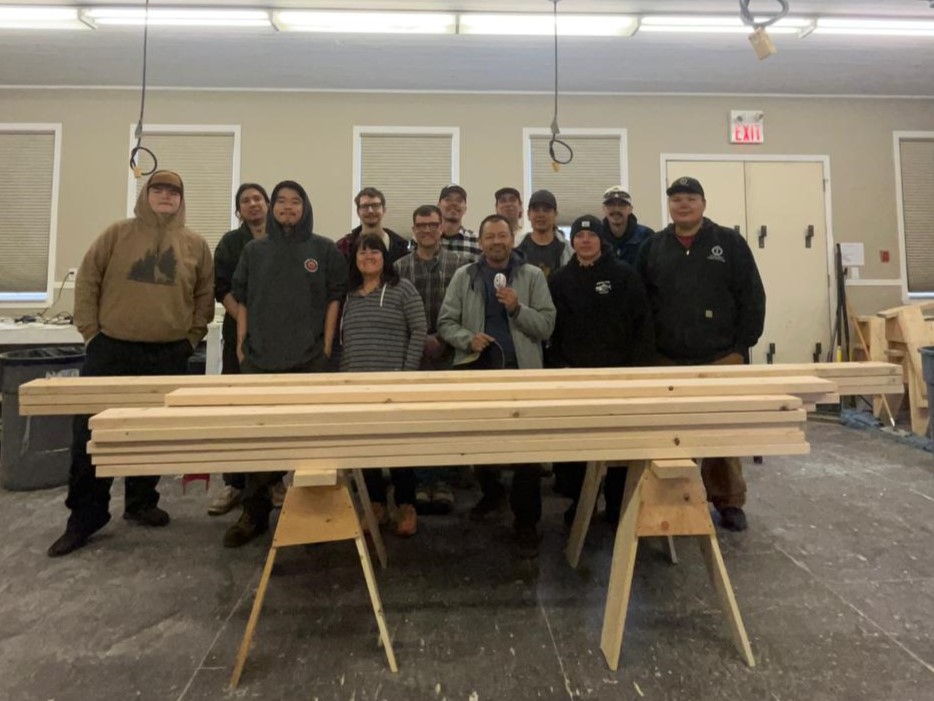 On Feb. 3, 2026, Carpentry Level 1 students met with the TteS Trades education coordinator, TRU Trade instructor, Interior Health and EllisDon for a cultural session that included a traditional rattle-making activity. In this photo, Trades and Training Coordinator, TRU carpentry instructors and students at the White Tech Carpentry Shop at TteS.
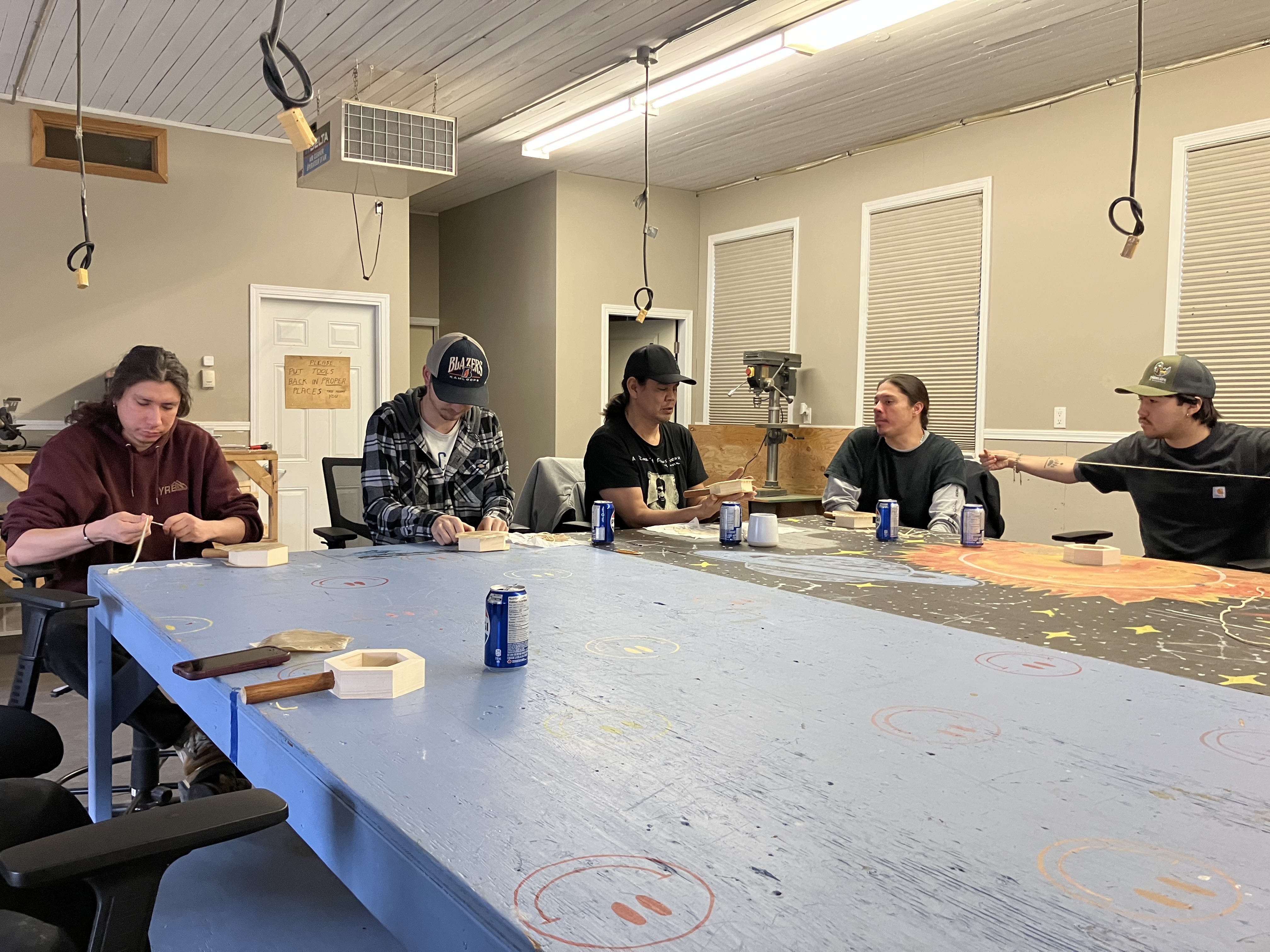 Students concentrating on learning how to make a rattle
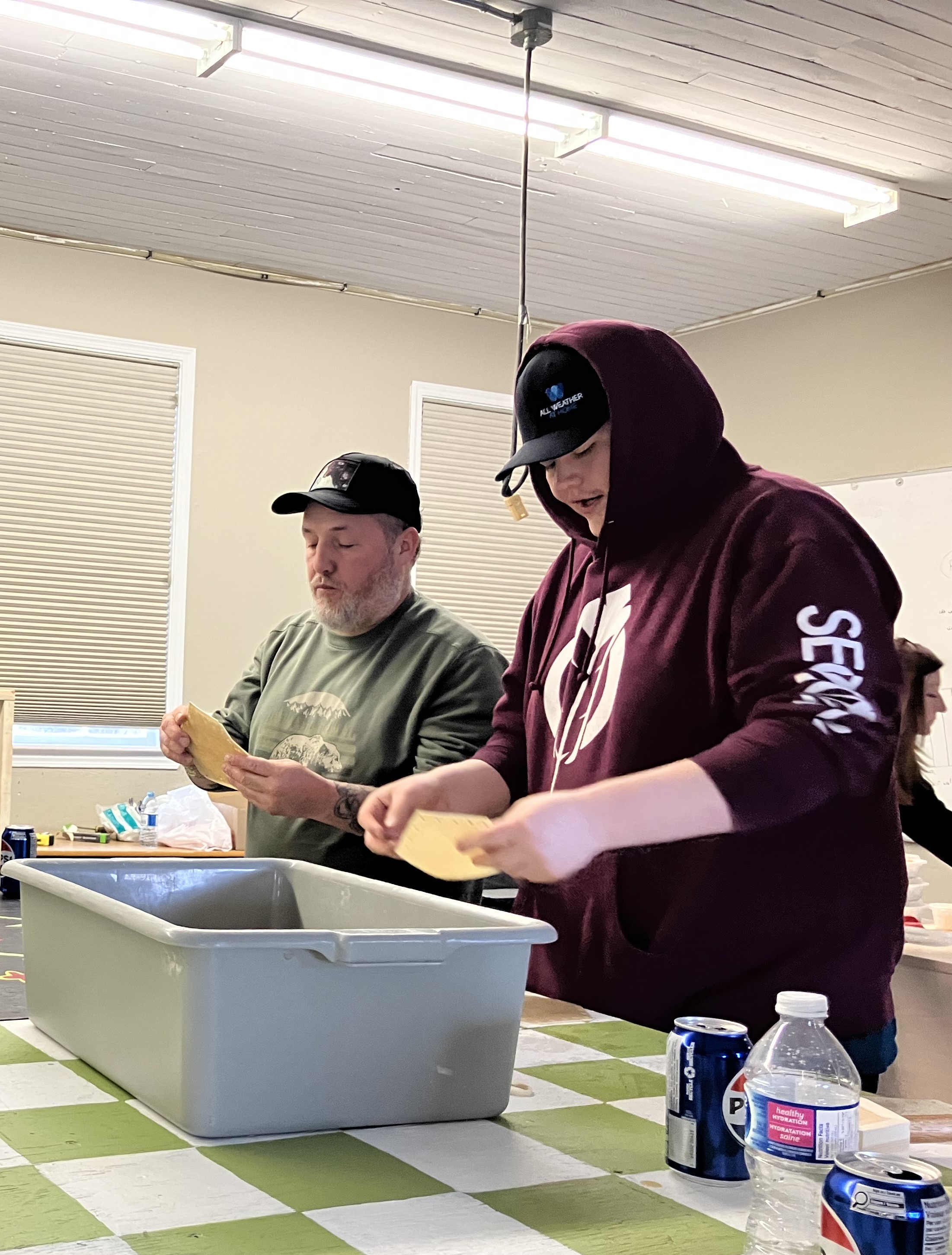 Trades and Training Coordinator, TRU carpentry instructors and students at the White Tech Carpentry Shop at TteS.
Thank you for your contribution!
Help us reach out to more people in the community
Share this with family and friends